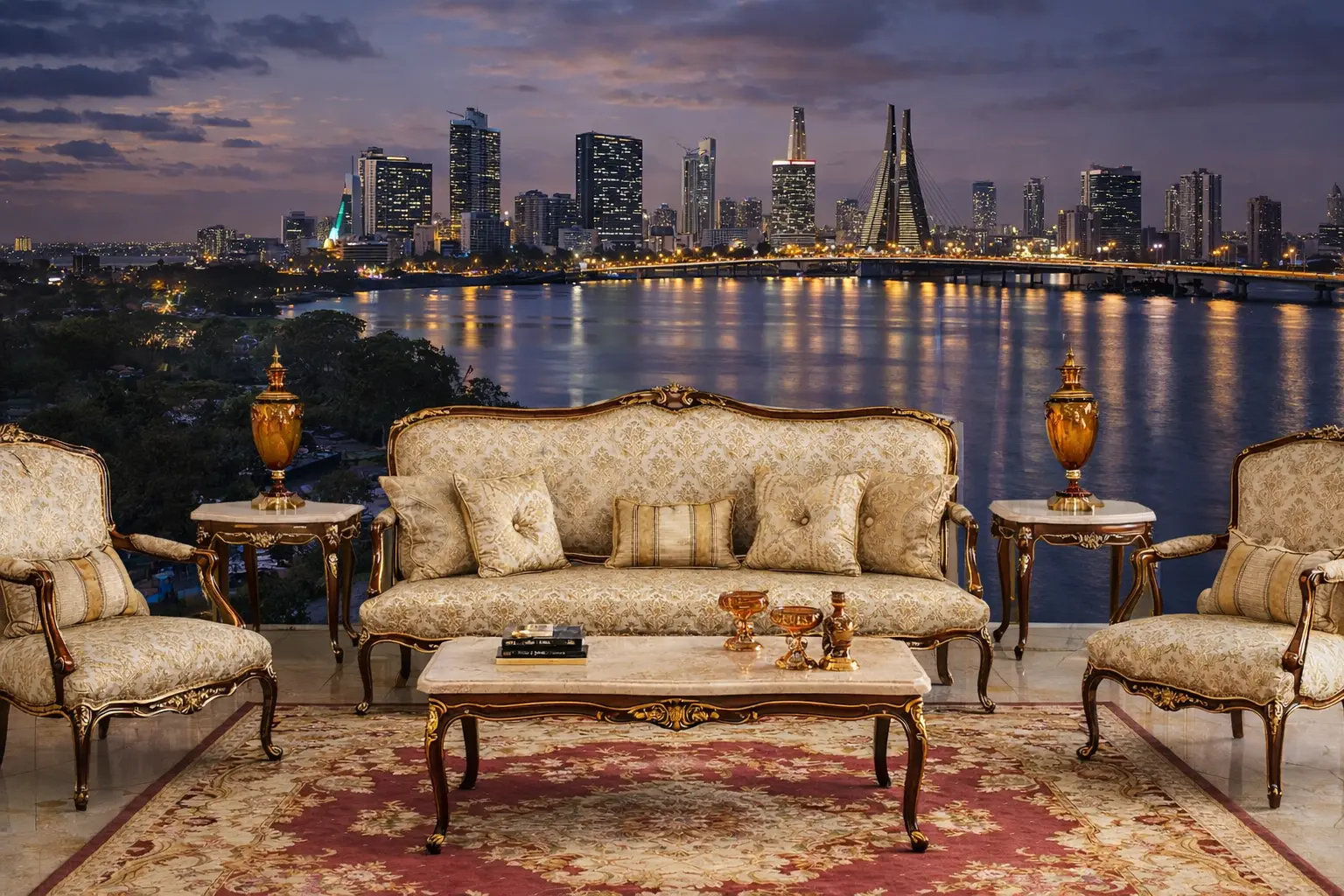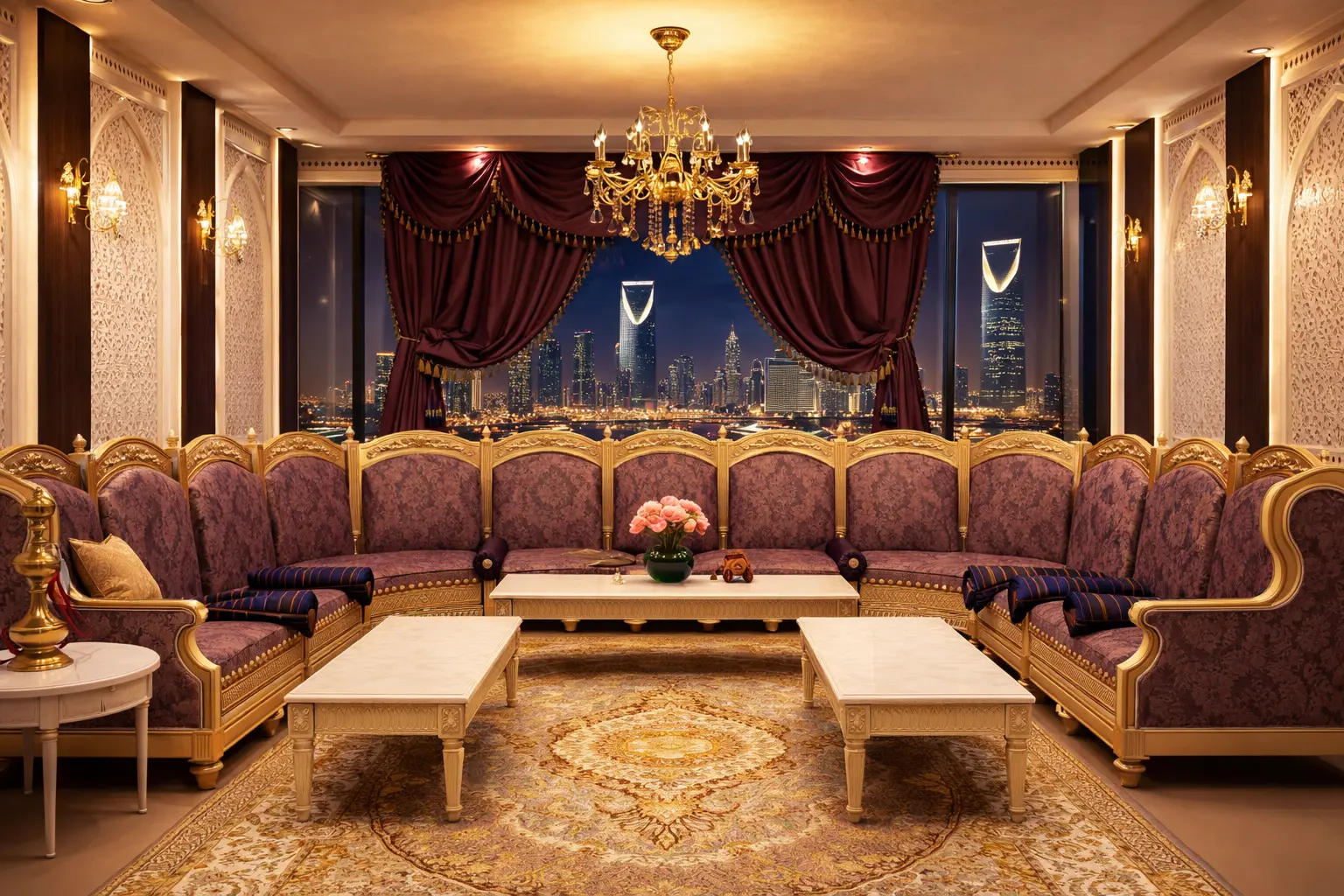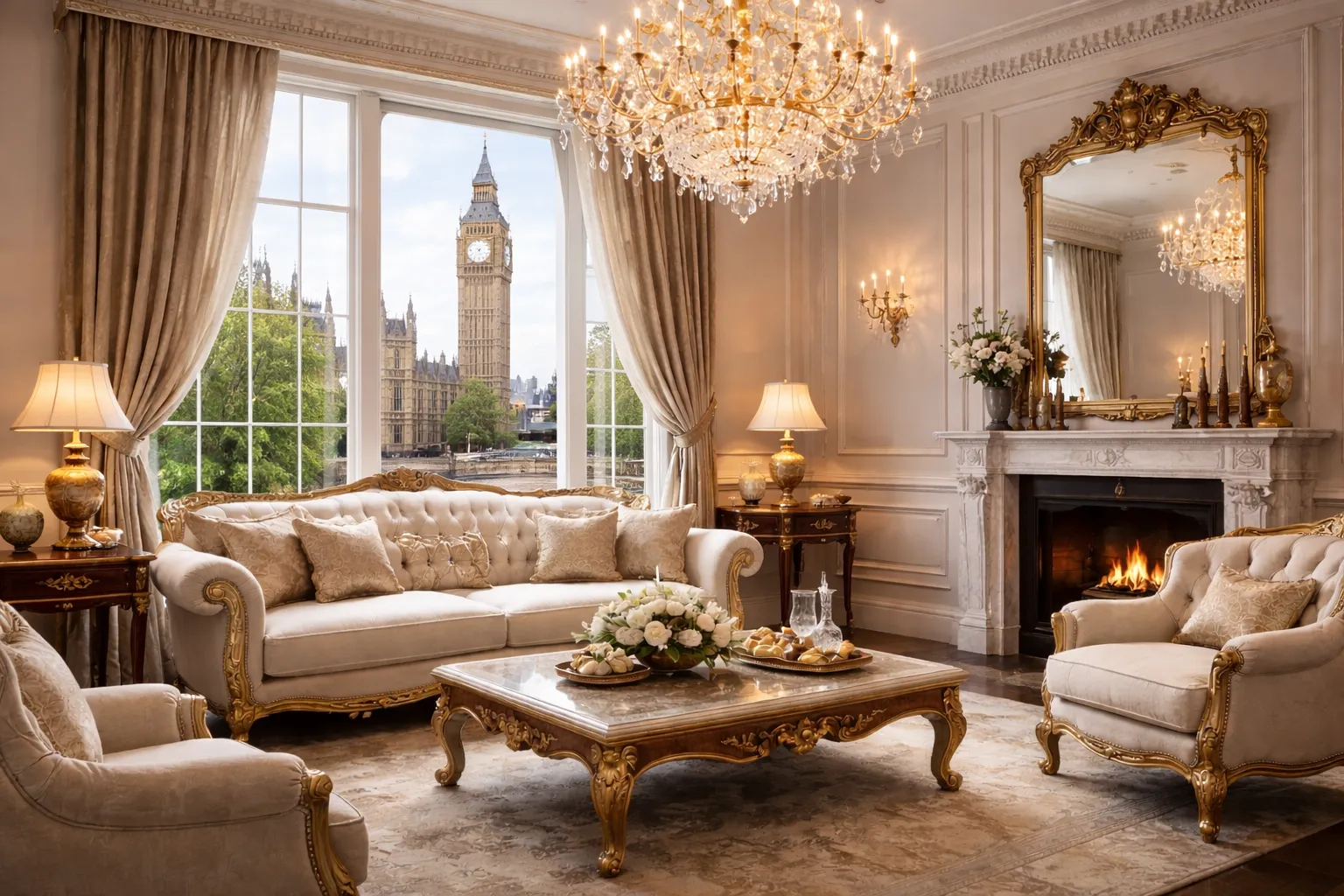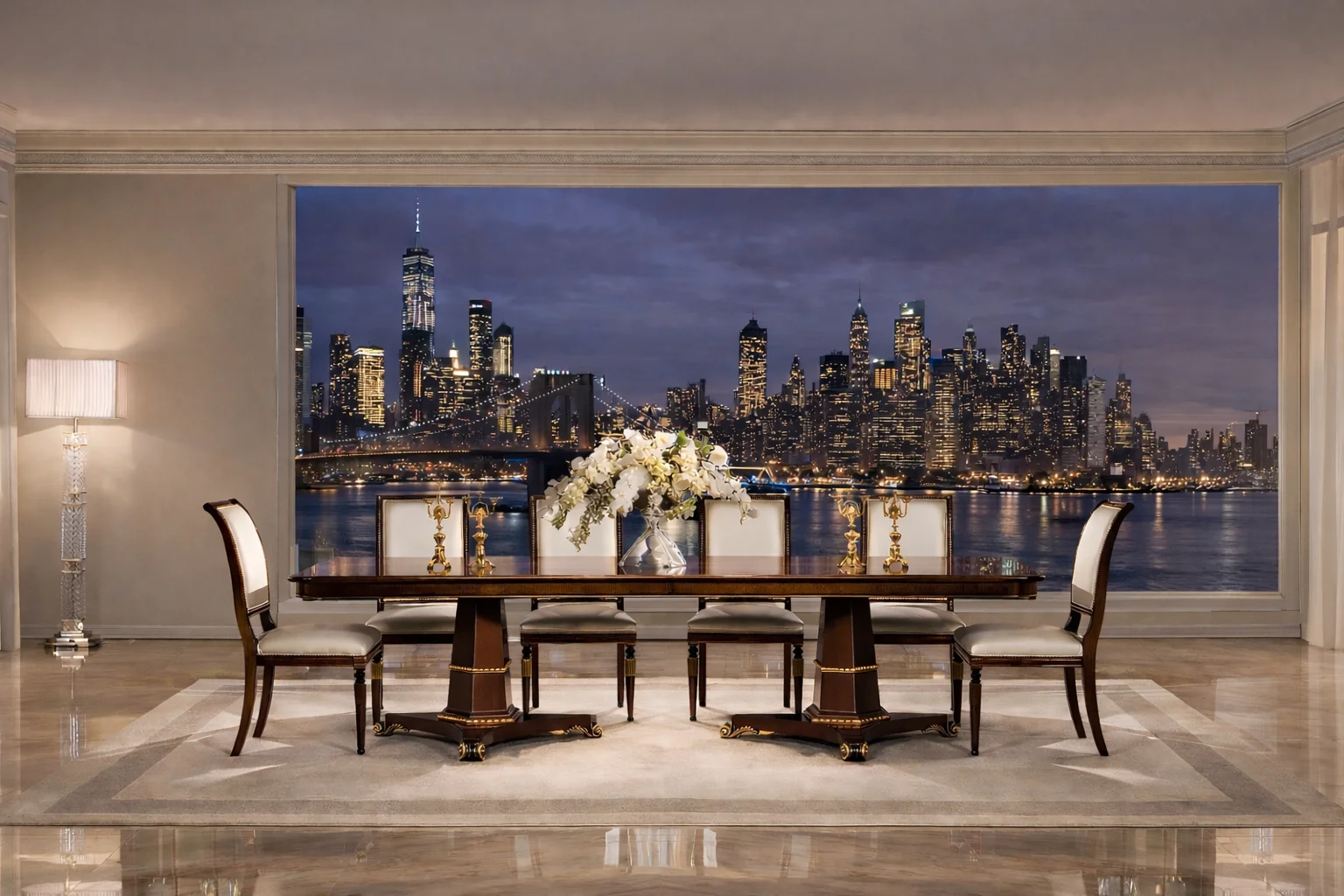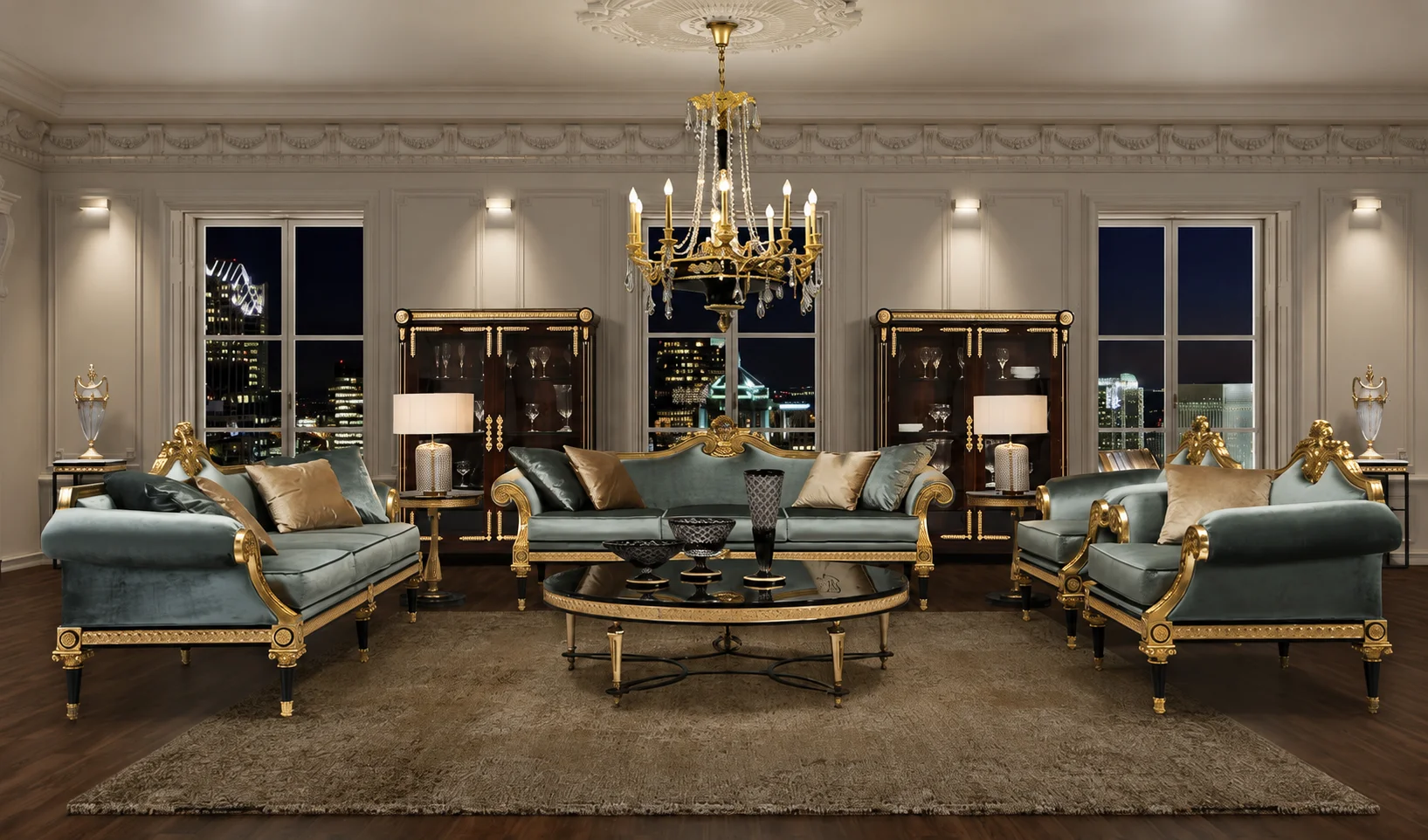
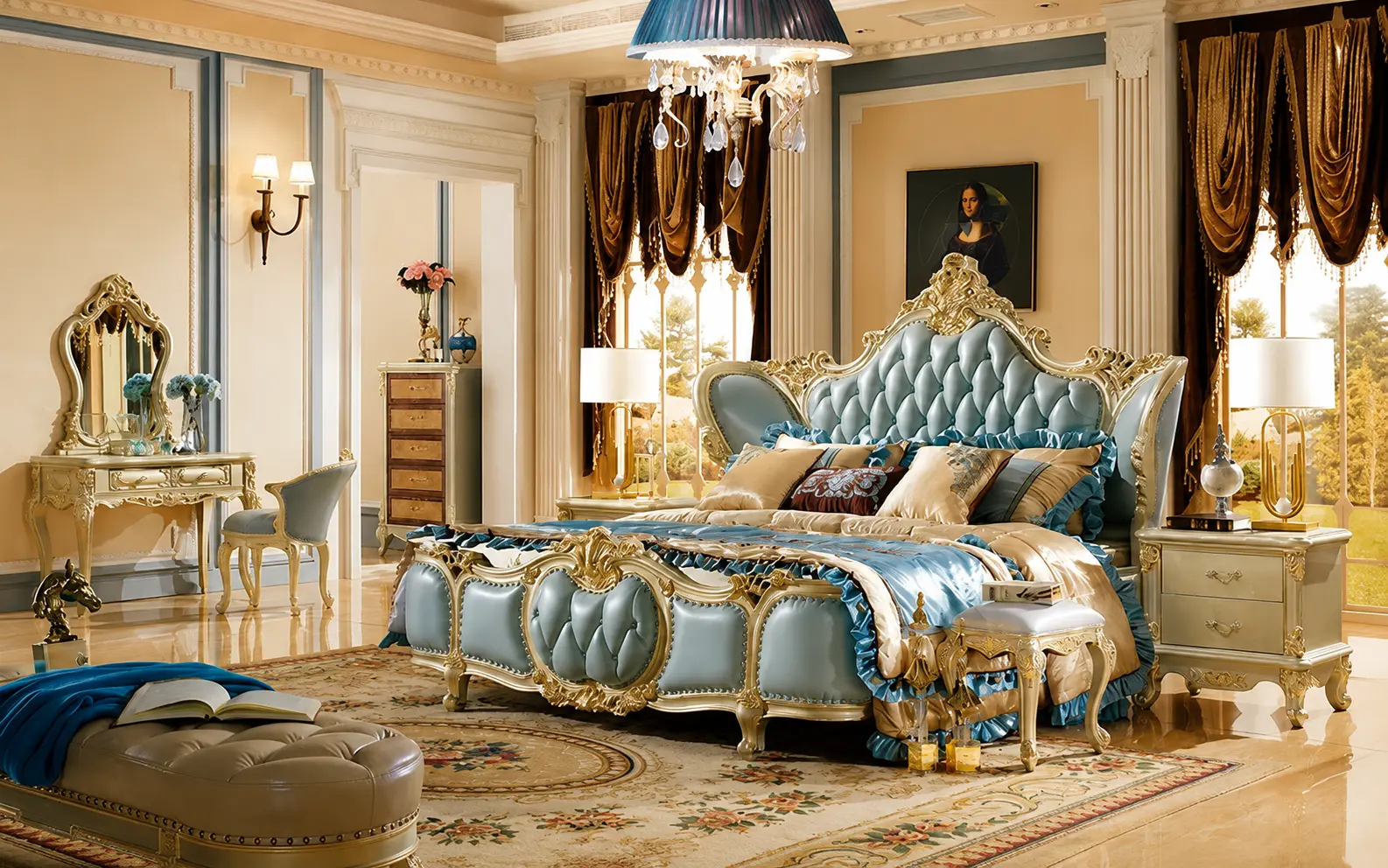
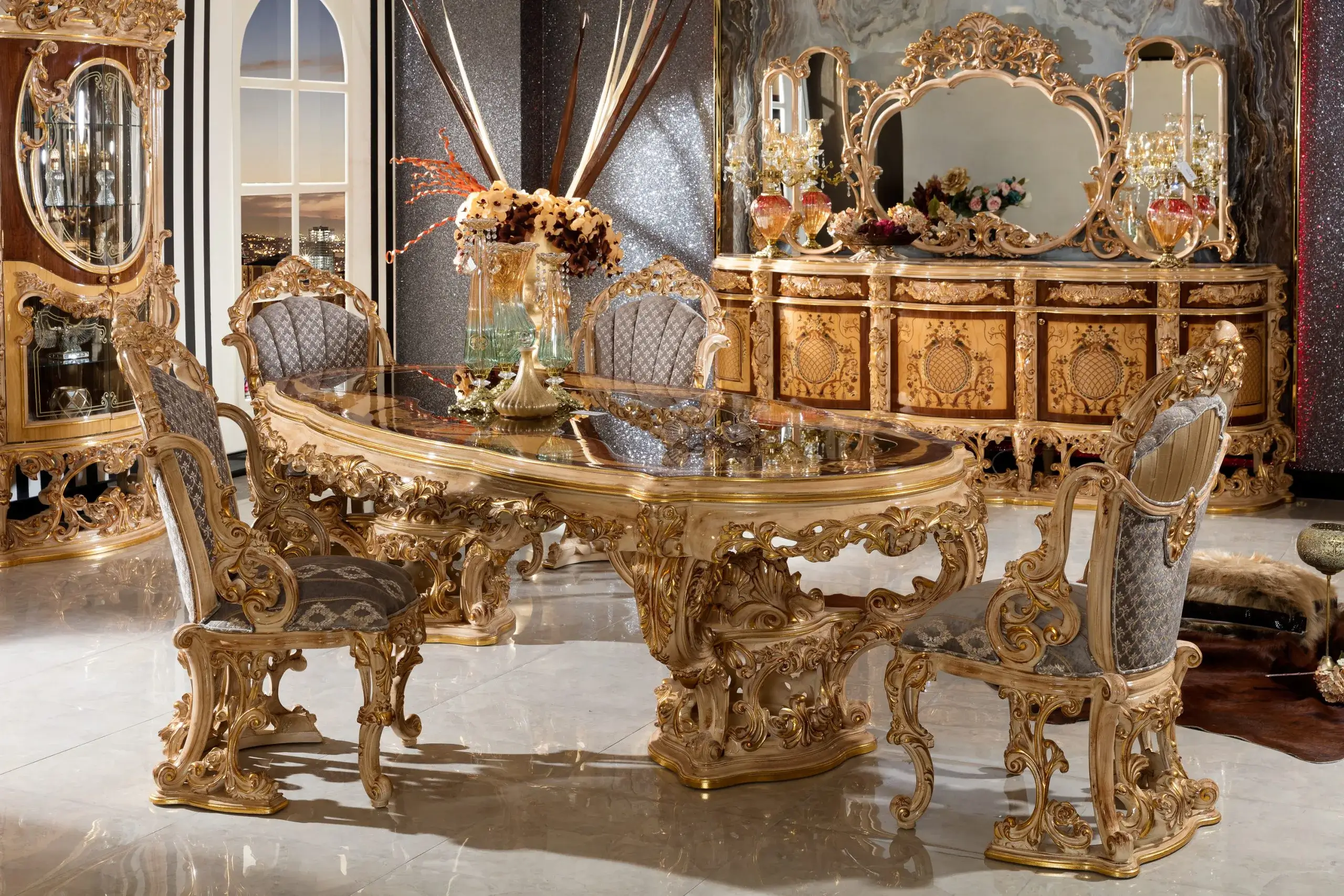
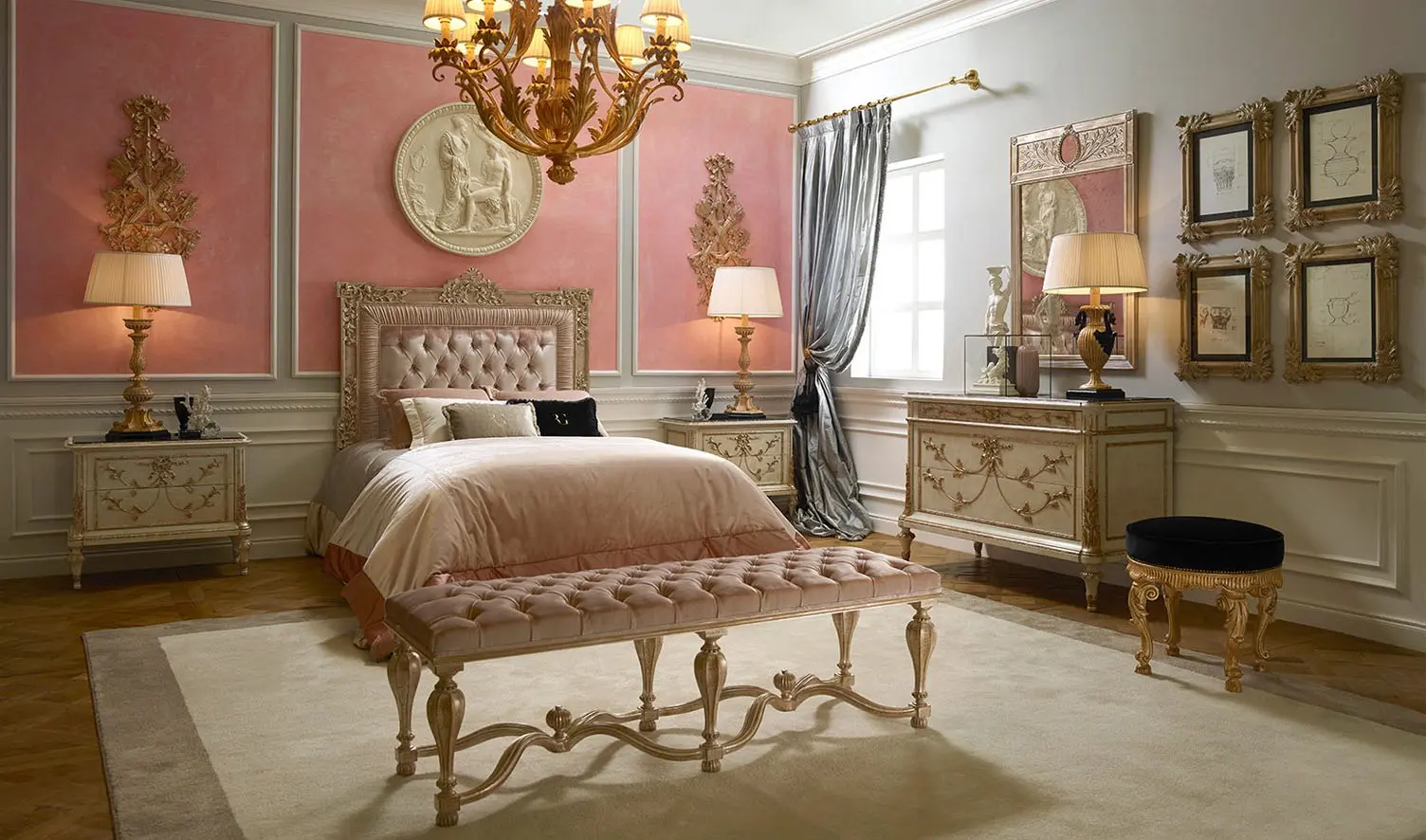
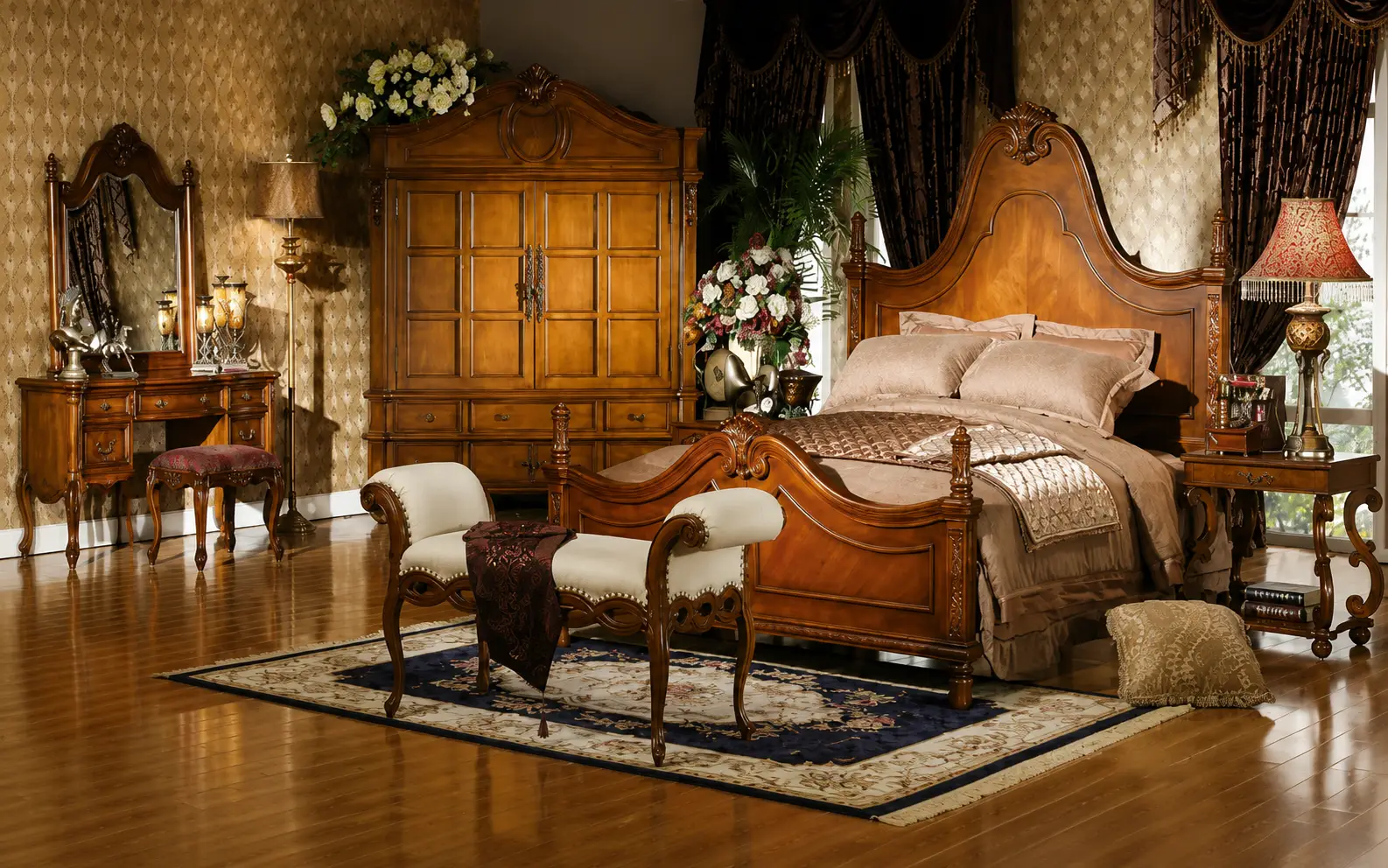
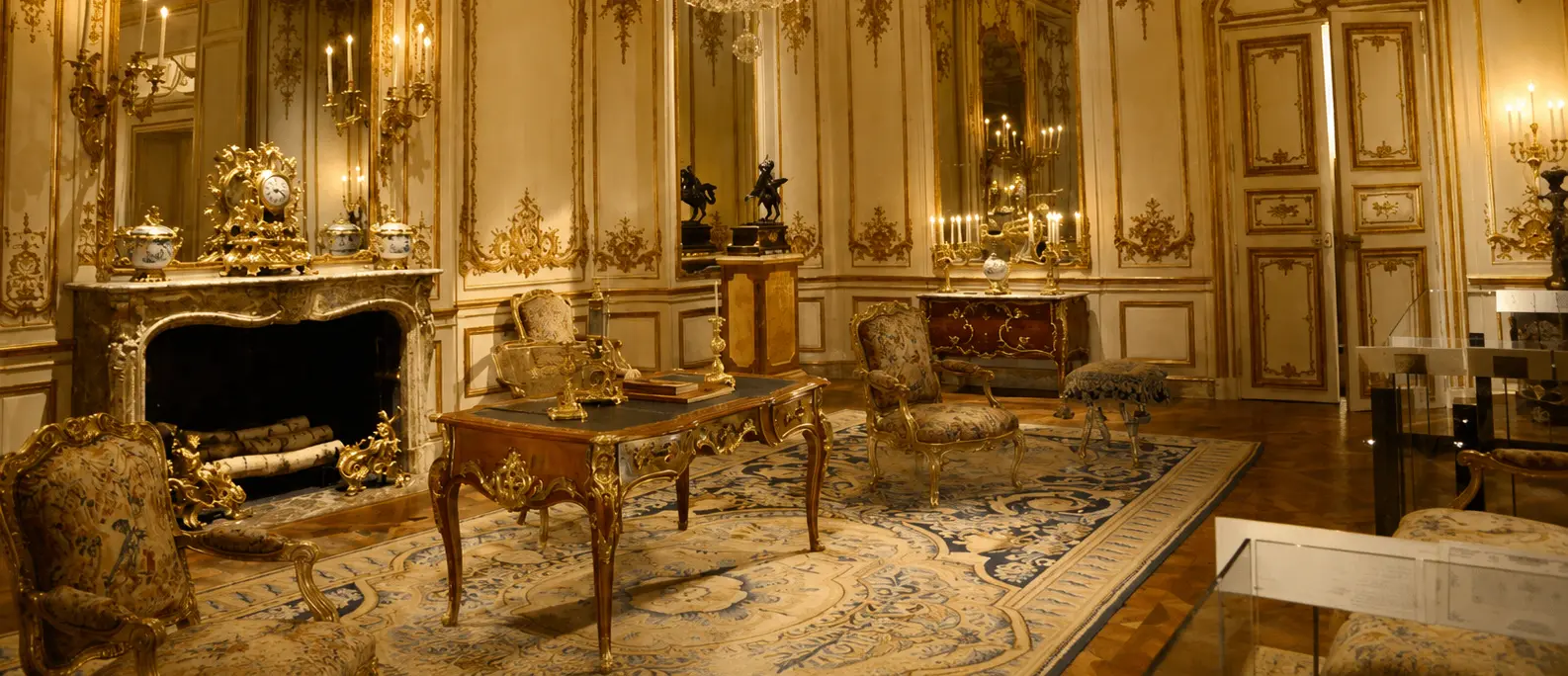
Australia’s design landscape values clean sophistication, premium materials, and furniture that combines visual impact with long-term durability. Royalzig proudly delivers luxury furniture to Australia, offering handcrafted collections that complement both contemporary architectural spaces and classically inspired interiors.
Our designs are created for discerning homeowners, interior designers, and hospitality projects across Sydney, Melbourne, Brisbane, and Perth. From statement living room ensembles and refined dining collections to bespoke bedroom furniture and accent pieces, every creation reflects careful detailing, superior wood selection, and expert finishing techniques.
Australian clients appreciate furniture that balances elegance with practicality — and our export-ready collections are crafted with this in mind. Each piece is securely packed for international shipping, ensuring safe transit and reliable delivery timelines. We also offer customization options for dimensions, finishes, and fabric choices to meet project-specific requirements.
At Royalzig, we don’t simply export furniture—we deliver refined craftsmanship tailored to Australia’s evolving luxury interiors market, ensuring every space reflects individuality, comfort, and enduring quality.
How Luxury Furniture Shapes Contemporary Australian Homes
Australia's high-end residential market has shifted decisively. Furniture is no longer selected to fill a room — it is selected to define one.
That shift tracks directly with the rise of architect-designed homes. When a client commissions a bespoke residence, they extend that same exacting standard to every piece within it. Mass-produced furniture — however competently made — rarely survives that scrutiny. It shows.
European design traditions, particularly Italian and Scandinavian, have long influenced Australian luxury interiors. What's changed is that those influences now sit alongside something more distinctly local: an aesthetic shaped by coastal living, abundant natural light, and a preference for open, connected spaces. The result is relaxed in spirit and uncompromising in execution — an Australian sensibility that is confident enough to stand on its own terms.
The clearest expression of that sensibility is the commitment to statement furniture. Rather than accumulating objects, the approach is to anchor a space with one or two exceptional pieces — a sculptural dining table, a hand-upholstered lounge, a bed frame with architectural presence — and let everything else follow. In rooms with generous proportions and strong natural light, this restraint is not a limitation. It is the point.
Designing Furniture for Australia's Diverse Home Architecture
Australia's residential landscape spans beachside retreats, inner-city penthouses, sprawling family homes, and grand rural estates. Each demands a distinct approach — not just aesthetically, but in terms of material performance, scale, and the relationship between furniture and architecture.
Coastal Luxury Homes
Properties along the Gold Coast, Byron Bay, and the Mornington Peninsula share a consistent design language: natural textures, easy elegance, and an interior that opens toward the outdoors rather than closing against it. The furniture has to hold its own in rooms animated by sea light and salt air.
Bleached or limed hardwood, woven natural fibres, and linen upholstery work well in these contexts. Heavy, dark furniture rarely does. The goal is presence without weight — pieces that anchor a space without working against its airiness. Corrosion-resistant hardware and UV-stable finishes are not optional considerations in these environments. They are baseline requirements.
Urban Luxury Apartments
Penthouses and premium apartments in Sydney, Melbourne, and Brisbane demand precision. Proportions are tighter, volumes more deliberate, and the relationship between furniture and architecture more exposed. A sofa scaled for a suburban living room will overpower a penthouse with a lower ceiling and a more considered floor plan.
The strongest interiors in this category pair clean-lined furniture with rich materiality: a marble-topped coffee table, a velvet lounge in a deep tone, bespoke joinery that reads as an extension of the architecture. Custom dimensions matter here more than anywhere — a piece made to the exact measurements of a space does something an off-the-shelf equivalent simply cannot.
Modern Family Residences
Luxury and durability are not in tension, though the market occasionally implies otherwise. The best furniture for large family homes is built to outlast trends and absorb daily life without showing it. That means solid frames, hardwearing upholstery, and finishes that age gracefully.
High-density foam, performance-grade fabrics, and hardwood construction have advanced to a point where there is no genuine trade-off between refinement and resilience. Oversized sectionals, dining tables that seat twelve, robust occasional pieces — these serve the way large family homes are actually lived in, without visual compromise.
Designer Villas and Estates
On larger properties — architectural villas, rural estates, prestige homes with room to breathe — the opportunity is to commission furniture that becomes inseparable from the architecture. This is where bespoke work is not merely preferable; it is the only logical approach.
A dining table scaled to a double-height entertaining room, a bed frame that references the building's material palette, garden furniture conceived as outdoor architecture — these are pieces that define a property across decades. They require a supplier who functions as a creative collaborator, not a production vendor.
Custom Luxury Furniture for Interior Designers in Australia
For architects and interior designers operating at the top of the market, standard product ranges are a consistent frustration. They rarely accommodate the precise dimensions, finishes, and material combinations that a serious project demands. Bespoke furniture production is not a luxury tier within trade procurement — it is, for many projects, the only workable option.
The most effective relationships between design practices and furniture makers begin at concept stage, when material palettes are still open and spatial planning remains fluid. A maker who can respond to a technical brief, commit to accurate lead times, and deliver consistent quality across an entire specification is a genuine asset. One who cannot creates problems that compound through installation.
Finish specification is where these partnerships are tested most directly. Lacquer colours matched to RAL or NCS references, veneer selections reviewed against the broader material board, leather grades and dye lots confirmed before a single piece enters production — these details separate a reliable trade partner from one that delivers surprises on site.
For high-end residential developments, where specification decisions ripple across multiple units, consistency across a production run matters as much as the quality of any individual piece. Reputable suppliers build this into their process by default. It should not require negotiation.
Premium Materials Favoured in Australian Luxury Interiors
Material selection in luxury furniture is never decorative in isolation. The best choices are those that perform well in the specific conditions of a space — and Australia's climate, light quality, and design culture give certain materials a clear advantage.
Solid hardwood is the foundation of fine furniture for reasons that remain as valid as they have always been. Spotted gum, blackwood, American walnut, and European oak respond well to Australia's seasonal humidity variation, resisting the movement that compromises engineered alternatives over time. Their warmth reads particularly well in the high-light interiors that define contemporary Australian homes.
Marble and natural stone have moved beyond surface application into structural territory. A solid marble dining table or stone-topped console introduces geological weight to a room — permanence as an aesthetic choice, not just a material one. In interiors built to last rather than to trend, that quality carries considerable value.
Premium leather upholstery performs reliably in Australian conditions. Full-grain and semi-aniline leathers develop a patina that improves with use — a meaningful quality in furniture expected to anchor a living room for twenty years. The material also manages temperature variation more naturally than most synthetic alternatives.
Linen and textured luxury fabrics have become the upholstery of choice across a broad range of Australian luxury interiors. Their breathability is a practical advantage in warmer climates; their visual texture adds depth to rooms that rely on natural light rather than artificial layering for character.
Brass and metallic detailing — particularly unlacquered brass and burnished bronze — age visibly, and that is precisely the point. In hardware and joinery, these materials acquire a patina that reads as authenticity. At a moment when so much design is optimised for photographs, the way quality metalwork changes over time is one of its most compelling qualities.
Furniture Designed for Spacious Australian Living Areas
Open-plan living is not a stylistic preference in Australia — it is the dominant spatial logic of contemporary residential design. How furniture inhabits these large, connected volumes determines whether a home feels resolved or merely expansive.
Statement Living Room Furniture
The living room typically carries the greatest furniture weight in an Australian home, spatially and aesthetically. A designer sofa or lounge chair does more than provide seating; it anchors the room and establishes the material register everything else responds to.
The pieces that hold up over time share specific qualities: clear, considered forms; construction that becomes more apparent on close inspection; cushion profiles that hold their shape; upholstery that rewards touch, not just photographs. Centre tables in marble, travertine, or solid timber introduce material contrast and give the arrangement a physical centre of gravity.
Luxury Dining Experiences
Entertaining occupies a central place in how Australians use their homes, and the dining table is the piece of furniture that most directly serves it. A table that seats ten with comfort and presence, and that holds up to years of regular use, is among the most valuable investments in any luxury interior.
Solid hardwood tables in architectural forms — resolved without being cold — perform this role as well as anything available. Extension mechanisms on premium tables have also improved considerably; a well-engineered design can move from eight seats to fourteen without visual compromise. Dining chairs that offer genuine comfort alongside visual refinement complete a setting worth returning to.
Elegant Bedroom Collections
The bedroom is the most private space in a home, and the furniture it contains should reflect that. Bed frames with genuine presence — upholstered headboards in linen or velvet, solid timber platforms with visible joinery — establish rooms designed for rest rather than display.
Bedside pieces, wardrobes, and dressing furniture work best when conceived as a collection: proportions aligned, materials consistent, hardware matched. The difference between a bedroom that feels complete and one that feels assembled is almost always resolved at this level of detail.
Outdoor Luxury Furniture
For many Australian homes, the terrace, pool deck, or garden is as significant as any interior room. Furniture for these spaces should meet the same standard of design and material quality as what sits inside — not a simplified version of it.
Powder-coated aluminium, teak, and marine-grade stainless steel perform well in Australian outdoor conditions without the aesthetic compromise that comes with purely functional materials. When outdoor furniture is conceived with the same design sensibility as the home's interior, the result is not continuity for its own sake — it is a property that reads as genuinely considered, from every angle.
Importing Bespoke Furniture to Australia
International furniture procurement is entirely manageable for Australian clients, provided the process is understood and planned for properly. From first consultation to final installation, a bespoke commission from a European maker typically spans five to eight months. Each stage has its own logic and its own critical path.
Design consultation is where specification is locked: dimensions confirmed against drawings, materials sampled and agreed, finishes documented in writing. Changes made at this stage cost nothing. Changes made during production cost considerably more, in time and money.
Production for bespoke pieces from reputable workshops runs eight to sixteen weeks, depending on complexity. Lead times should be confirmed in writing at the outset and built into the project programme — not treated as approximate.
Export packaging is a specialist task. Quality furniture is crated in custom timber frames with internal foam and felt protection engineered to absorb the specific pressures of international freight. This is not a stage to cut costs.
Ocean freight from European ports to Sydney, Melbourne, Brisbane, or Fremantle adds four to six weeks. Freight forwarders experienced in fine art and furniture understand the quarantine requirements, customs clearance procedures, and bond store processes specific to Australia. Using a generalist here is a false economy.
Delivery and installation completes the process. White-glove services — in-home placement, assembly, packaging removal — ensure the furniture reaches its final position in the same condition it left the maker's workshop. For pieces that have travelled this far, that final stage deserves the same care as every preceding one.
Expert Tips for Selecting Premium Furniture
Sound decision-making in the luxury furniture market is a discipline, not a transaction. These principles apply consistently across project types and budget levels.
Start with the architecture. A home with raked ceilings and raw concrete reads differently from a Federation terrace or a modernist apartment. The furniture that works in each is different not just stylistically but structurally and proportionally. Responding to the architecture first produces better outcomes than imposing a style onto it.
Look past surface appeal. The furniture that performs best over time is rarely the most dramatic at point of sale. Solid timber, full-grain leather, and well-constructed frames age with character; veneered board, bonded leather, and inadequate joints do not. Ask what the piece is made of inside, not just what it looks like outside.
Buy for longevity, not currency. Luxury furniture trends move slowly, but they move. Pieces built on strong, considered forms and honest materials outlast the moment they were made in; pieces built around a particular aesthetic read as dated within a decade. The question worth asking is not whether this piece is relevant now, but whether it will still be excellent in twenty years.
Commission custom for non-standard spaces. Where a room has unusual proportions, a structural constraint, or a spatial relationship that standard product cannot resolve, custom furniture almost always produces a better result. The cost premium over quality production pieces is often smaller than expected, and the outcome is invariably more resolved.
The Value of Custom Luxury Furniture
There is a point that experienced buyers in the luxury market tend to reach independently: no product range, however extensive, reliably delivers what a specific space and a specific client actually needs. Custom furniture is the answer to that gap — not as an indulgence, but as a practical response to a real limitation.
Material and finish control is the most immediate benefit. Timber species, leather grade, lacquer tone, hardware finish — each can be specified precisely, matched to the interior rather than adapted to it. That level of control does not exist in any retail context.
Construction quality follows from the economics of custom work. A workshop making pieces to a specific brief, with its reputation attached to each one, has every incentive to build well. Volume manufacturing does not create those conditions. The difference in long-term performance is measurable.
Singular design has become increasingly valued by clients who have moved through premium retail. A piece that exists nowhere else — designed for a specific room, a specific life, a specific aesthetic purpose — has a permanence that production furniture cannot replicate, regardless of its quality.
Architectural coherence is the highest outcome of the custom approach. When a dining table references the proportions of the room it inhabits, when a bed frame speaks the same material language as the surrounding joinery, the interior stops reading as decorated and starts reading as resolved. That quality is not reserved for the largest commissions. It is available to any client willing to bring the same seriousness to their furniture that they brought to their building.